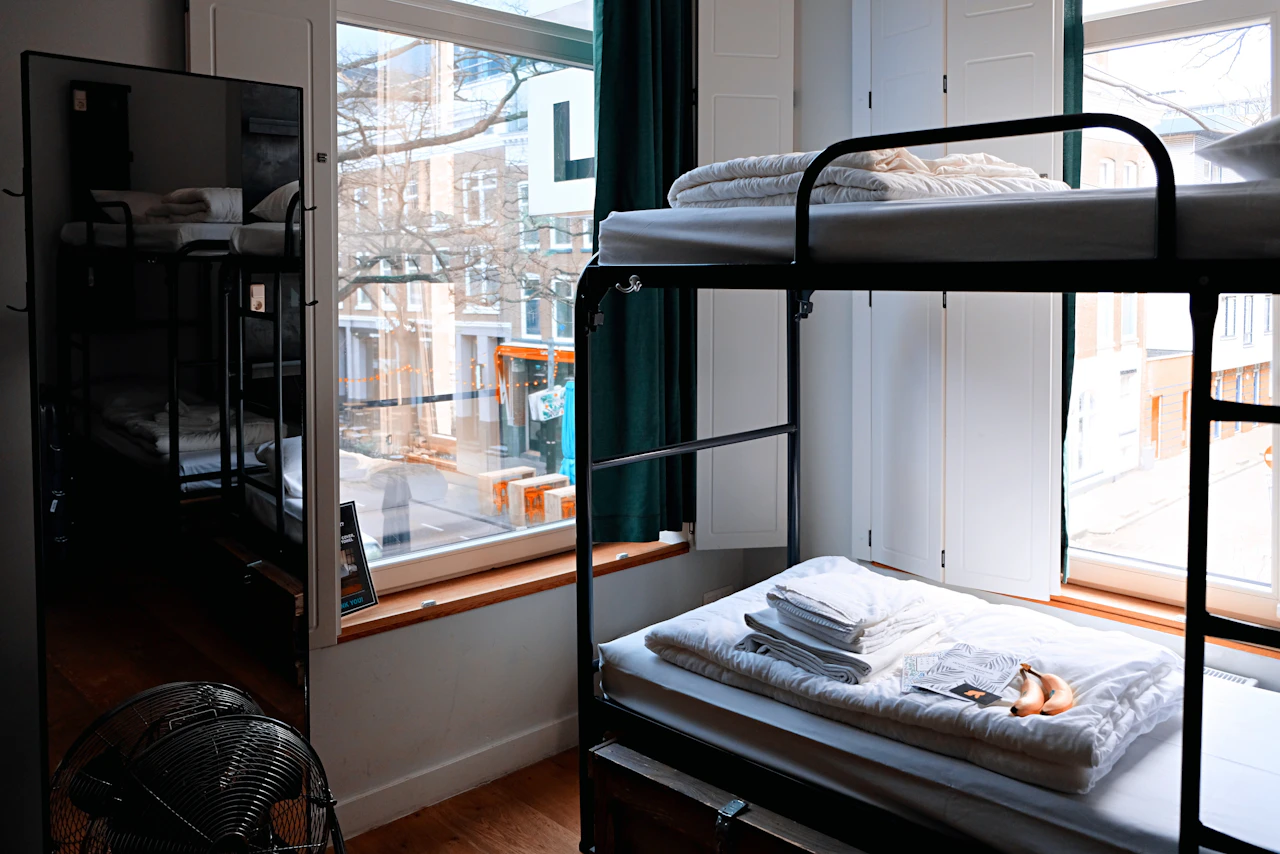
BU Housing for Students
As a Boston University (BU) student, housing is a crucial aspect of your college experience.
* In This Guide
- 1The Quick Answer
- 2Boston University (BU) Housing: An Overview
- 3On-Campus Dorm Options at BU
- 4Exploring Off-Campus Housing Options
- 5The Housing Selection Process
- 6Understanding BU Housing Costs
- 7BU Housing: Student Perspectives
- 8Comparing On-Campus and Off-Campus Housing
- 9What Surprises BU Students Most
- 10Key Considerations
- ?Frequently Asked Questions
#1The Quick Answer
Boston University (BU) Housing: A Comprehensive Guide for Students is one of the residence options at Boston University (BU) in Boston, Massachusetts. This guide covers what current and former BU students actually experience living here—including the details that don't appear in official housing descriptions.
#2Boston University (BU) Housing: An Overview
As a Boston University (BU) student, housing is a crucial aspect of your college experience. From iconic dorms like Warren Towers to off-campus apartments, BU offers a diverse range of housing options to suit every student's needs and preferences. In this comprehensive guide, we'll dive deep into the details of BU housing, providing you with insider knowledge, practical tips, and honest reviews to help you make the best decision for your time at BU.
Whether you're a incoming freshman navigating the housing process for the first time or a seasoned upperclassman exploring off-campus living, this guide has you covered. Get ready to uncover the ins and outs of Boston University housing and unlock the secrets to making the most of your BU living experience.
#3On-Campus Dorm Options at BU
Boston University (BU) is renowned for its vibrant on-campus housing options, each with its own unique character and amenities. As a first-year student, you'll likely call one of BU's iconic dorms home. Warren Towers, affectionately known as 'Warren', is the most popular and recognizable freshman dorm, with its towering presence on Commonwealth Avenue. Other notable on-campus options include:
- Myles Standish Hall: A historic dorm with a cozy, community-focused atmosphere.
- Sleeper Hall: A modern residence hall with suite-style living and great views of the Charles River.
- Kilachand Hall: A state-of-the-art living and learning community for upperclassmen.
Each dorm offers a distinct living experience, from traditional corridor-style layouts to suite-style arrangements. Amenities can vary, but most include common lounges, study spaces, laundry facilities, and 24/7 security. The housing selection process can be competitive, so be sure to familiarize yourself with the timeline and prioritize your preferences.
#4Exploring Off-Campus Housing Options
As you progress through your BU journey, many students choose to move off-campus and experience the independence of living in an apartment or house. The BU neighborhood, known as 'Allston-Brighton', is a popular area for off-campus housing, offering a diverse range of options within close proximity to campus.
When searching for off-campus housing, you'll find a mix of apartment complexes, multi-family homes, and even single-family rentals. Prices can vary significantly, with factors like location, size, and amenities all influencing the cost. Expect to pay anywhere from $800 to $1,500 per month for a shared apartment, or up to $2,000+ for a private unit.
While off-campus living provides more freedom and flexibility, it also comes with additional responsibilities, such as securing your own utilities, managing landlord relationships, and navigating the local rental market. BU's Off-Campus Services office is a great resource for finding listings, understanding your rights as a tenant, and navigating the transition to independent living.
#5The Housing Selection Process
Navigating the housing selection process at Boston University (BU) can seem daunting, but with the right information and preparation, you can secure your ideal living situation. Here's a quick overview of the key steps:
- Familiarize Yourself with the Timeline: The housing selection process typically begins in the early spring semester, with specific deadlines for housing applications, room selection, and deposit payments.
- Understand the Housing Lottery System: BU uses a randomized lottery system to determine housing priority, so it's important to be aware of your lottery number and how it affects your options.
- Research Housing Options: Explore the BU Housing website, attend housing fairs, and talk to current students to learn about the different dorms and off-campus neighborhoods.
- Submit Your Housing Application: Be sure to complete your housing application and selection process by the designated deadlines to secure your spot.
- Consider Roommate Compatibility: If you're planning to live with friends, make sure to coordinate your housing preferences and selection process.
#6Understanding BU Housing Costs
The cost of housing at Boston University (BU) can vary depending on the type of accommodation you choose. Here's a breakdown of the average housing costs for the 2022-2023 academic year:
| Housing Type | Average Cost per Year |
|---|---|
| On-Campus Dorms | $12,500 - $15,500 |
| Off-Campus Apartments | $12,000 - $24,000 |
Please note that these figures are subject to change, and additional fees, such as meal plans, may apply. It's essential to factor in the total cost of living, including utilities, transportation, and other expenses, when budgeting for your BU housing experience.
Financial aid and scholarships can help offset the cost of housing, so be sure to explore all available options through the BU Financial Assistance office. Additionally, the Off-Campus Services team can provide guidance on managing the financial aspects of independent living.
#7BU Housing: Student Perspectives
To give you a well-rounded understanding of the BU housing experience, we've gathered insights from current students and recent alumni:
'Living in Warren Towers as a freshman was an iconic experience. The community vibe and proximity to campus made it easy to get involved and make friends. The rooms are a bit small, but the common spaces and amenities make up for it.' - Sarah, Class of 2025
'I loved the suite-style setup in Myles Standish Hall. Having my own bathroom and shared living space with my suitemates was a game-changer. The only downside was the limited storage space, but it taught me to be more organized.' - Alex, Class of 2024
'After two years in the dorms, I decided to move off-campus to an apartment in Allston. The extra independence and space were worth the slightly longer commute. Just make sure to budget for utilities and factor in the time it takes to find the right rental.' - Ethan, Class of 2023
#8Comparing On-Campus and Off-Campus Housing
When it comes to choosing between on-campus and off-campus housing at Boston University (BU), there are several factors to consider:
| Criteria | On-Campus Dorms | Off-Campus Apartments |
|---|---|---|
| Convenience | Closer proximity to classes, dining, and campus resources | Potentially longer commute times |
| Community | Built-in social opportunities and student-focused amenities | More independence, but may require more effort to build community |
| Cost | Typically more affordable, with utilities and amenities included | Greater flexibility, but higher overall costs (rent, utilities, etc.) |
| Maintenance | University handles most maintenance and repairs | Responsible for own maintenance and liaising with landlords |
| Policies | Subject to BU's housing rules and regulations | Able to set own rules and expectations |
Ultimately, the decision between on-campus and off-campus housing will depend on your personal preferences, budget, and lifestyle needs. Be sure to weigh the pros and cons of each option to find the best fit for your BU experience.
#9What Surprises BU Students Most
Many first-year BU students don't expect how much the social dynamics of their dorm affect their entire freshman experience. Boston University (BU) Housing: A Comprehensive Guide for Students has its own distinct culture that takes a few weeks to understand—from floor traditions to unwritten rules about common spaces.
#10Key Considerations
When evaluating Boston University (BU) Housing: A Comprehensive Guide for Students, BU students should weigh both the benefits and constraints. No option is perfect for everyone—the right choice depends on your specific priorities, circumstances, and what tradeoffs you're willing to accept.
Frequently Asked Questions
Q:Is living on-campus required for freshman at BU?
A:Yes, Boston University (BU) requires all first-year students to live on-campus in BU's residence halls, unless they are granted an exemption. This policy helps new students transition to college life and foster a strong sense of community.
Q:Can I request a specific dorm or roommate at BU?
A:You can indicate your housing preferences during the application process, but there's no guarantee you'll be assigned to your top choice. The housing selection is largely based on a randomized lottery system. However, you can request to live with a specific roommate if you both submit a mutual request.
Q:What are the pros and cons of living off-campus at BU?
A:The main pros of off-campus living include more independence, flexibility, and potentially lower costs. However, you'll also be responsible for managing your own utilities, maintenance, and transportation to campus. The commute time and effort to build a social network can be downsides to consider as well.
Q:How much do BU housing costs typically range?
A:On-campus dorm costs at BU generally range from $12,500 to $15,500 per academic year, depending on the specific residence hall. Off-campus apartment costs can vary widely, but you can expect to pay anywhere from $12,000 to $24,000 per year for a shared or private unit in the Allston-Brighton area.
Q:What resources are available to help with the BU housing process?
A:BU offers several resources to support students with housing, including the Housing website, Off-Campus Services office, and housing fairs. Current students and resident assistants (RAs) can also provide valuable insights and advice based on their own experiences.
* Related Guides
Get More BU Tips
Get weekly insider tips and campus updates from BU students and alumni.